Promotion - "AI and HRM Changes in Sport"
As part of the closing session of the symposium “Sport in the Era of Artificial Intelligence: Sport, Ethics and Excellence,” which gathered distinguished academics and experts in sport, medicine and information technology, as well as representatives of sports associations from Bosnia and Herzegovina, a book presentation was held for “CHANGES: AI AND HRM IN SPORT, the Olympic Committee of Bosnia and Herzegovina’s Laboratory of Best Practices,” authored by Academician Prof. Dr. Izet Rađa.
The book is a unique blend of modern technologies, human resource management and Olympic values, drawing on the experience and practice of the Olympic Committee of Bosnia and Herzegovina as a laboratory of change. The publication addresses contemporary trends in human resource management in sport, with particular focus on the impact of artificial intelligence on the development of sports organizations, their work processes and future management models. The author analyzes the challenges and opportunities brought by the digital transformation of sport, emphasizing the importance of staff education and the responsible application of AI technologies in sports systems.
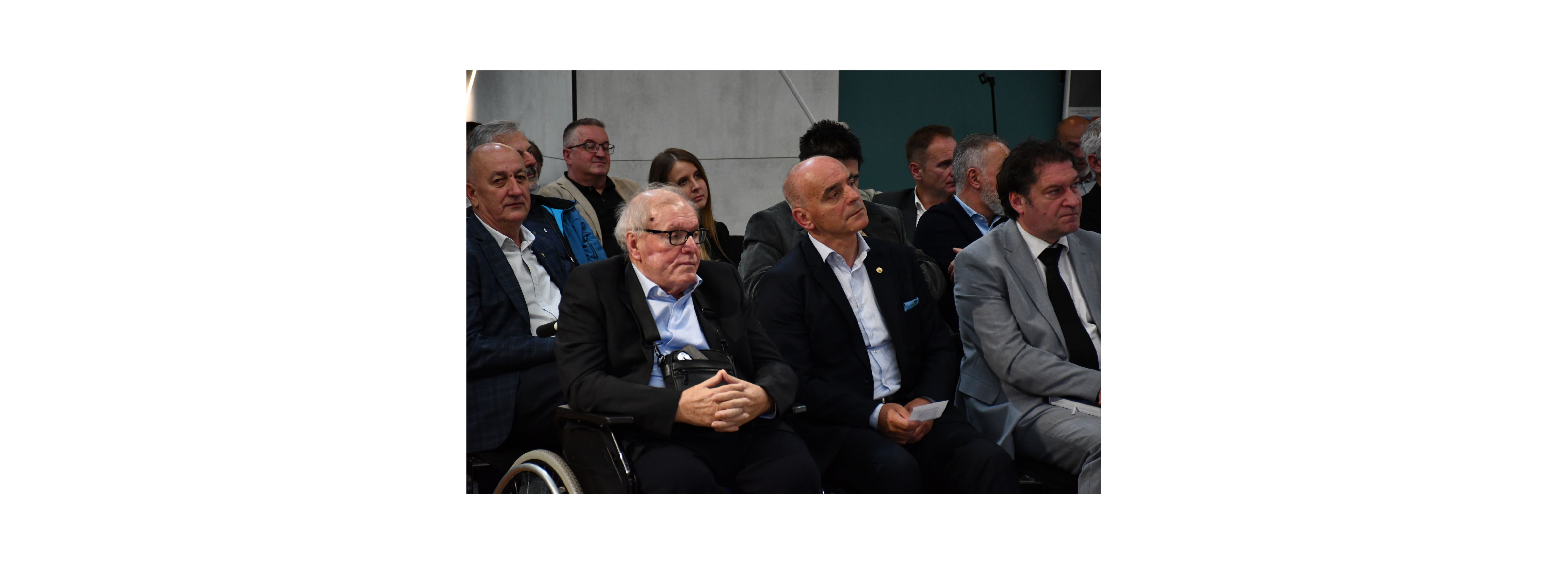
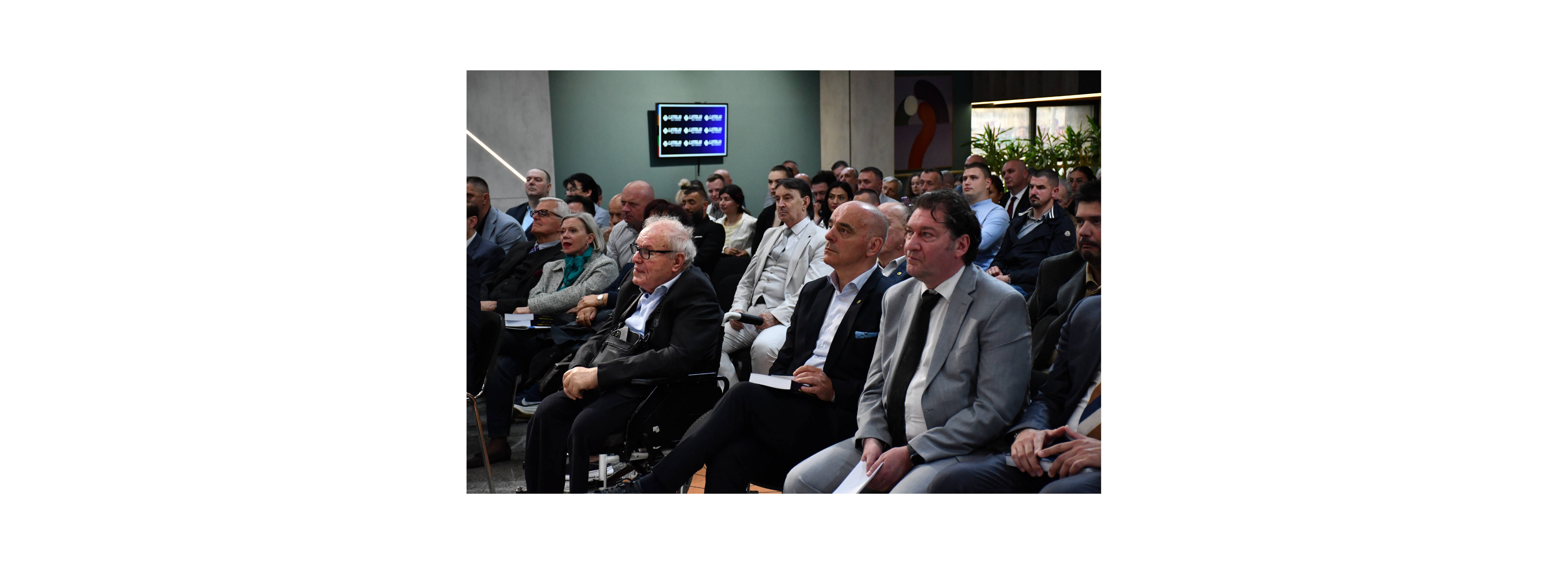
The presentation took place yesterday at the premises of the Olympic Committee of Bosnia and Herzegovina – Zetra, Sarajevo, attended by numerous representatives of the academic, sports and professional community.
Speakers and reviewers who commented on the book included Academician Almir Badnjević, Academician Velimir Srića, Prof. Dr. Zoran Milošević, Prof. Dr. Dragan Životić, Prof. Dr. Damir Djedović, Prof. Dr. Dino Mujkić, Assoc. Prof. Dr. Said Fazlagić and Assoc. Prof. Dr. Dejana Planinčić. The presentation program was hosted by Mr. Nazif Hasanbegović, who is also one of the book’s reviewers.
Academician Velimir Srića emphasized that he sees every book as a new being beginning its own life path, noting that this work did not emerge “from an armchair” but from the author’s real experience, work and life. Speaking about the book’s content, he particularly highlighted that it synthesizes topics of artificial intelligence, human resource management, leadership and Olympic values, underscoring the message that “the heart must never lose to statistics.”
Academician Almir Badnjević said the book is not only an academic work on technology and sport but also a powerful story about people, values and leadership. He noted that the author speaks not from theoretical distance but from the perspective of an athlete, professor and leader who built institutions through practice and responsibility. He singled out the central message that “AI is a tool, and humans give it meaning,” warning that digitization without ethics and humanity can lose its purpose.
Prof. Dr. Dragan Životić described the book as an ambitious and comprehensive work that transcends the scope of an academic textbook, calling it at once a personal confession, institutional chronicle and manifesto for the future of sport in post-transitional societies. He especially highlighted the role of the Olympic Committee of BiH, which over the past 15 years has emerged as one of the most active and innovative sports institutions in the region.
Prof. Dr. Dino Mujkić thanked the author for “the legacy he leaves behind,” stressing that the ideas and models presented in the book will have concrete application in the practice of sports organizations and institutions.
Assoc. Prof. Dr. Dejana Planinčić spoke from the perspective of everyday work within the Olympic Committee of BiH, emphasizing that the book demonstrates that sport is not only results and competition but a complex system requiring a multidisciplinary approach, responsibility and serious human resource management. She added that she recognized many situations from her daily professional experience in the book, and therefore believes it will be useful to sports workers and specialists.
Assoc. Prof. Dr. Said Fazlagić highlighted that the book offers a strong and substantive reflection on the state and future of sport, particularly stressing the importance of depoliticizing sport, professional work and Olympic values. Discussing the author’s vision, he pointed to the need for strategic development of sport and responsible leadership that builds trust and stable sports systems.
The presentation leader and one of the reviewers, Mr. Nazif Hasanbegović, said there are books that inform and others that prompt reconsideration and deeper reflection about people, responsibility and the times we live in. He described Academician Rađa’s book as arising from the intersection of science, experience and deep understanding of people, reminding the audience that “no organization grows faster than the people who lead it.”