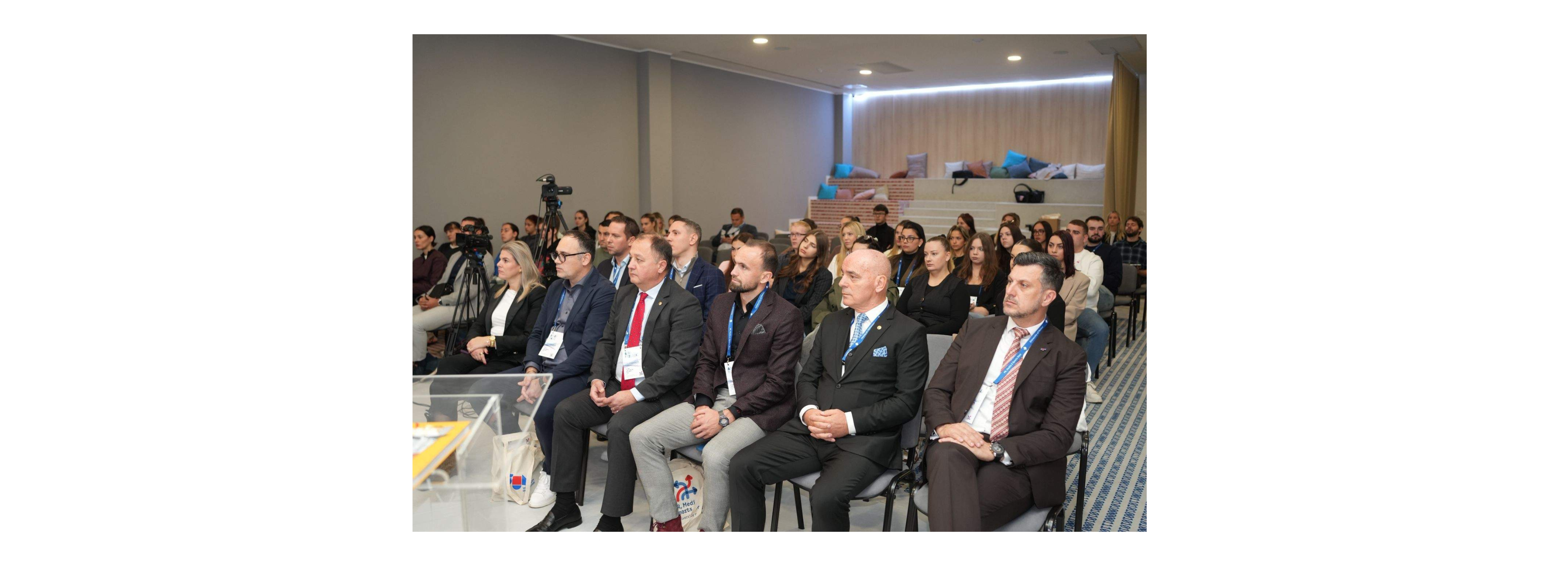
"Sport as a language of trust and togetherness"
The PR, Media & Sport Days conference has concluded with an emphasis on the importance of sport in intercultural communication.
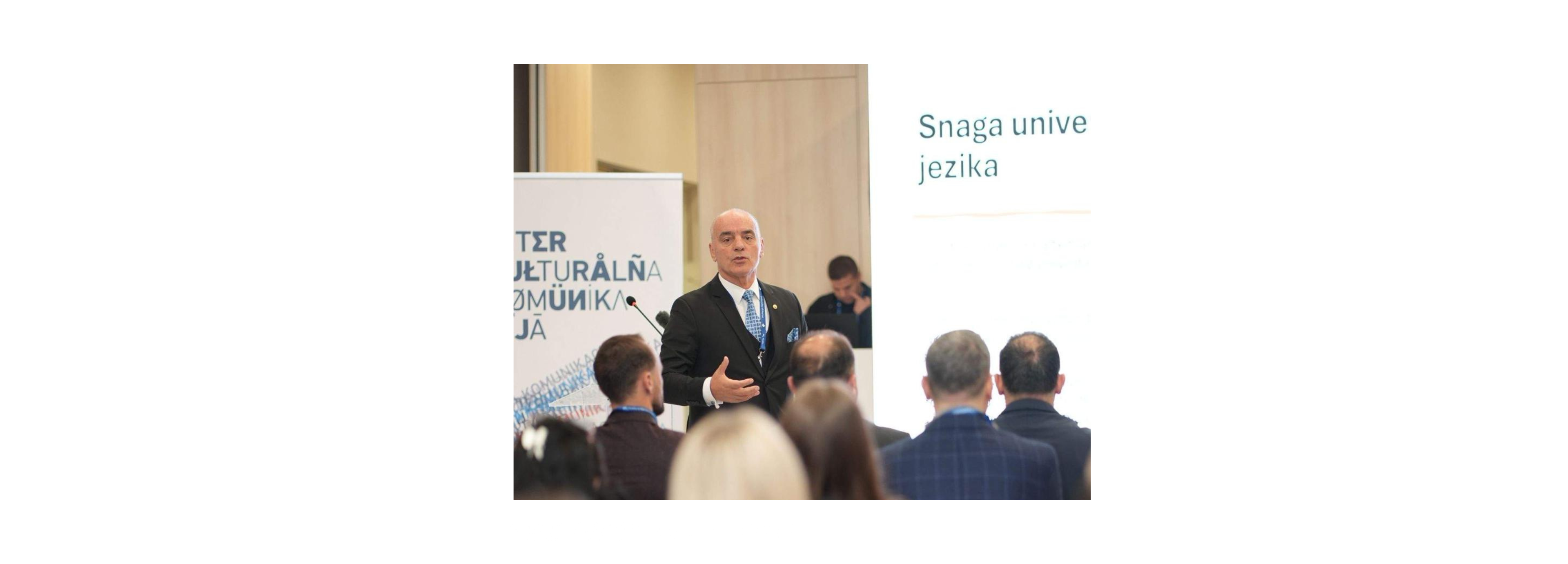
On the final day of the conference, the program began with a lecture by academician Prof. Dr. Izet Radja, President of the Olympic Committee of Bosnia and Herzegovina, on the topic of Sport as a Universal Language: Intercultural Mission of the Olympic Committee of Bosnia and Herzegovina. Speaking about the role of Olympism, he emphasized that sport is not just a result, but an idea that connects people and builds trust.
"The language of sport does not need a translator. There are no divisions on the field, but effort, sweat, hand to hand and a smile," Rađo pointed out, adding that Bosnia and Herzegovina has "an Olympic heritage that others can envy, because we didn't get it to stand still, but to build on it."
Concluding his speech, he called for a shared vision, emphasizing that Bosnia and Herzegovina, through sport and Olympism, should continue to "speak the language of light, peace and friendship", because sport is one of the rare spaces in which trust can be built beyond divisions.
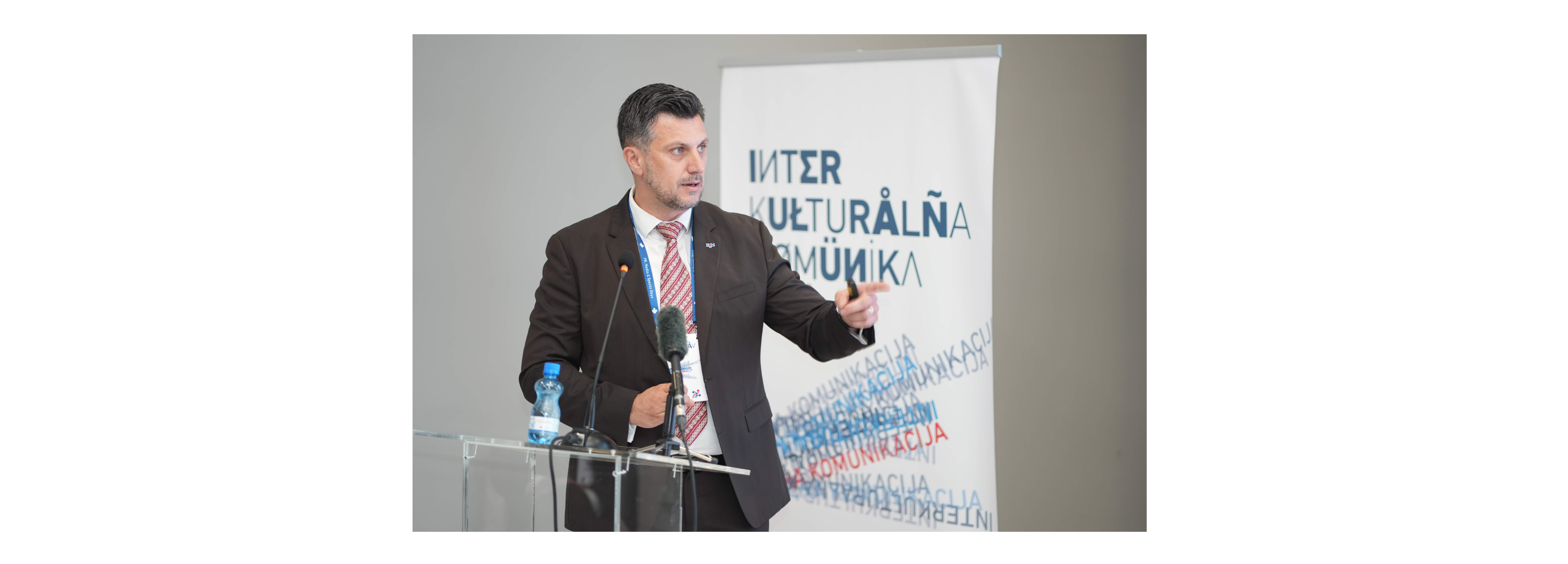
After the speech by Prof. Dr. Izet Rađo, the program focus remained on the role of sport in international communication through a lecture by M. Sc. Ivan E. Tomić (Manchester Metropolitan University) entitled Sports Diplomacy - Soft Power in the Global Arena.
„Sport sends an intoxicating message to the world because small countries have a chance to beat big ones“, stressed Tomić, adding that a country's reputation is often built faster through sporting successes than through political or economic channels, and that sport is often the most visible diplomatic resource.
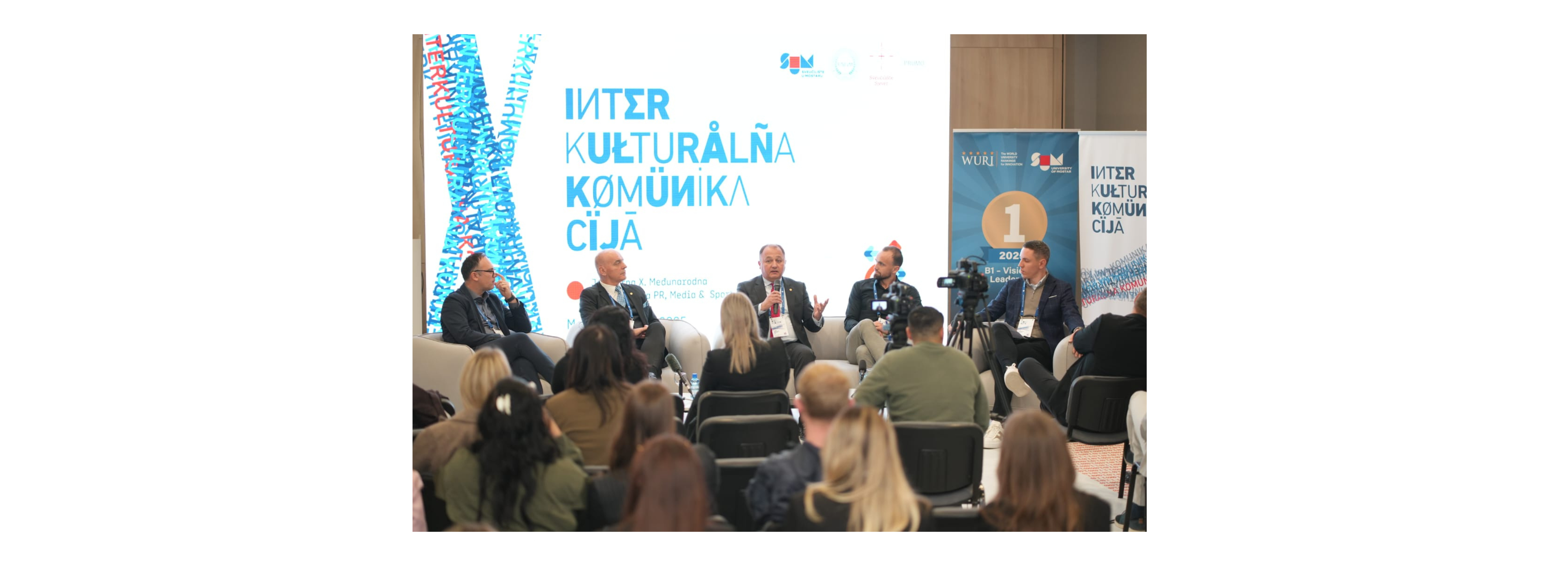
The panel Sport as a universal language: intercultural communication in motion brought together representatives of the Olympic, football, athletics and international sports sectors. The participants were Prof. Ph.D. Izet Rađo (Olympic Committee of BiH), Igor Štimac (HŠK Zrinjski), Amel Tuka (athlete), Davor Radić (FIFA) and assistant. Ph.D. sc. Said Fazlagić (Olympic Committee of Bosnia and Herzegovina), moderated by M.Sc. sc. Ivan E. Tomić.
Speaking about the role of athletes as state ambassadors, Tomić singled out Amel Tuka as an example of an athlete who represented the identity of Bosnia and Herzegovina in the world arena. Tuka confirmed that personal success can change the perception of a country in the world:
„Ten years ago, when I became the fastest man in the world, I got the opportunity to position my country at the very top. Next to my name there was always a small flag of Bosnia and Herzegovina. Along with the result, I wanted to promote the goodness of our people, because I am proud and believe that there are no hosts and souls like ours anywhere.“
Davor Radić (FIFA) spoke about the political dimension of sports and the role of FIFA in relations between large and small countries. "FIFA is the most powerful political party in the world," he emphasized, explaining that football brings the masses together, and "politicians are the most important masses and people." He added that many smaller countries survive thanks to the funds that FIFA allocates to them twice a year.
When asked about the political will in the development of sports in BiH, prof. Ph.D. Izet Rađo pointed out that the country does not lack talents or experts, but a system that would enable continuity of success. Asst. Ph.D. sc. Said Fazlagić added:
„We know how to play sports, we just need to tighten the system that will support it.“
Igor Štimac is highlighted as an example of a sports ambassador not only through his career, but also through his long-term commitment to the promotion of sports outside the field.
The continuation of the program was followed by expert presentations that broadened the discussion on the relationship between sports, communication and social responsibility. Presentations were held by prof. Ph.D. sc. Jadranka Lasić-Lazić and Assoc. Ph.D. sc. Marin Galić (University of the North), Branislav Stojkić (Olympic Committee of BiH), and assistant. Ph.D. sc. Dražen Maleš and Martin Labaš (Croatian Catholic University, Zagreb).
Awarding of plaques to outstanding individuals
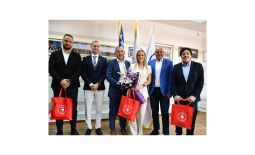
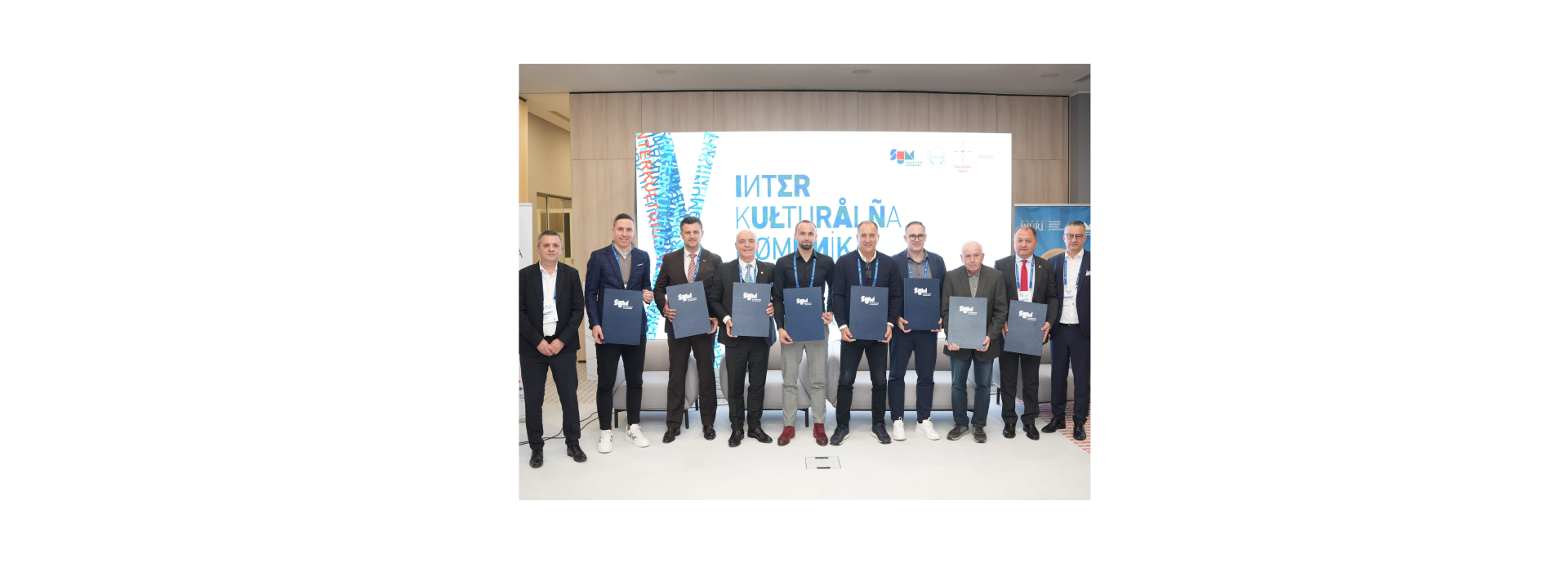
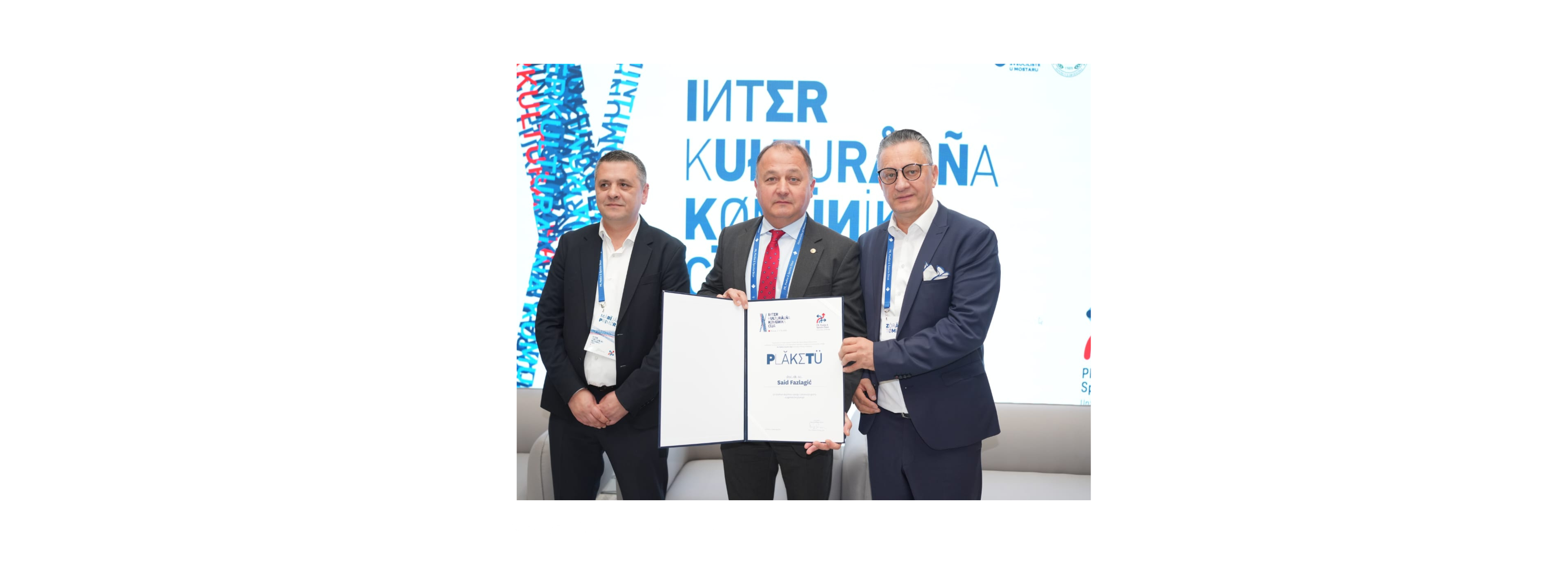
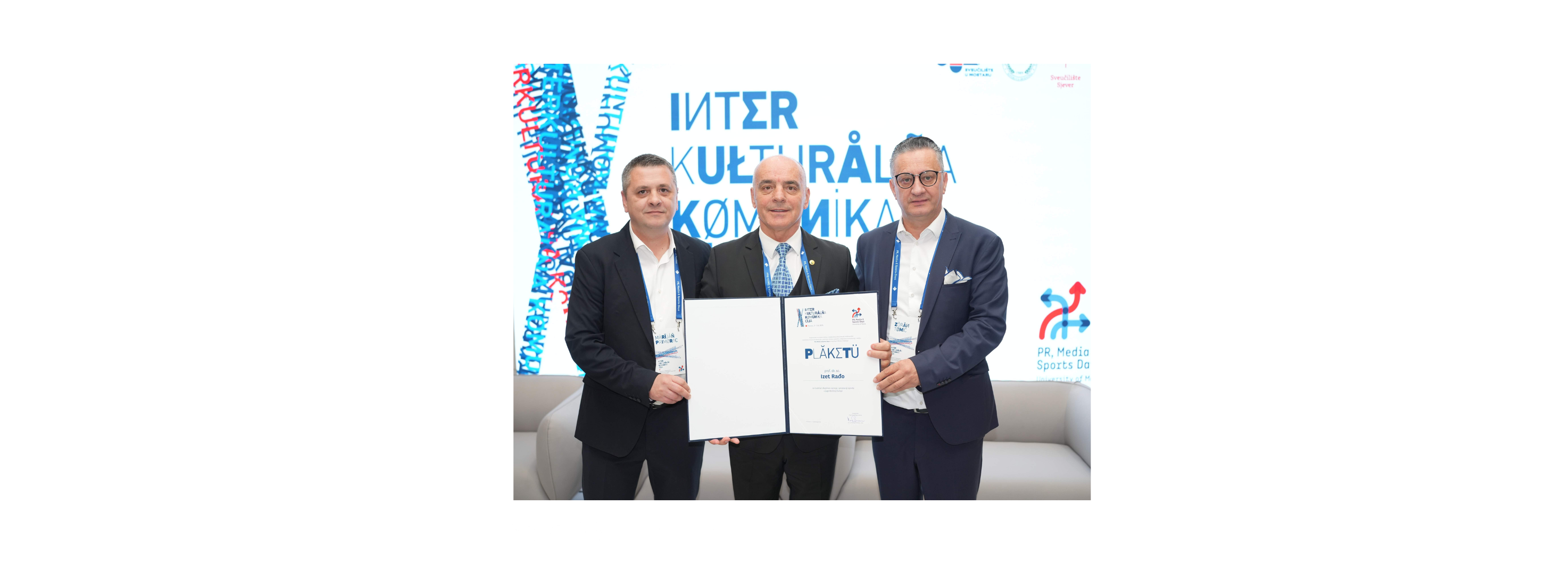
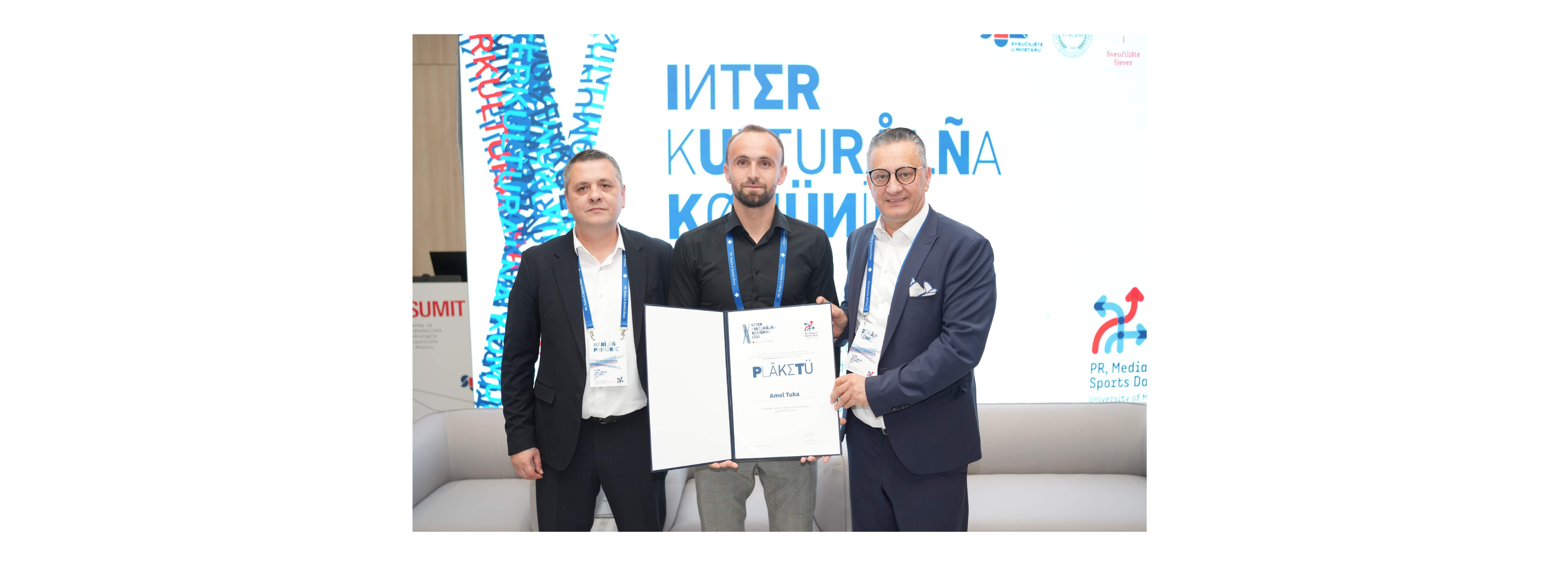
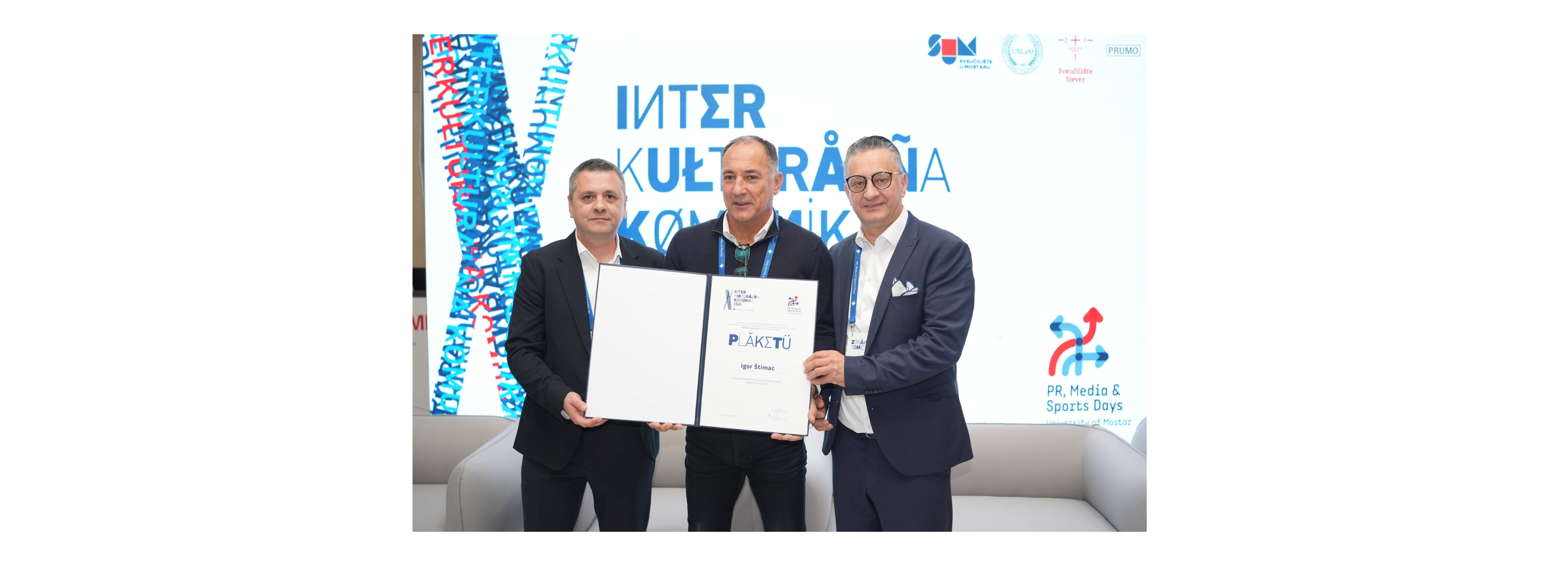
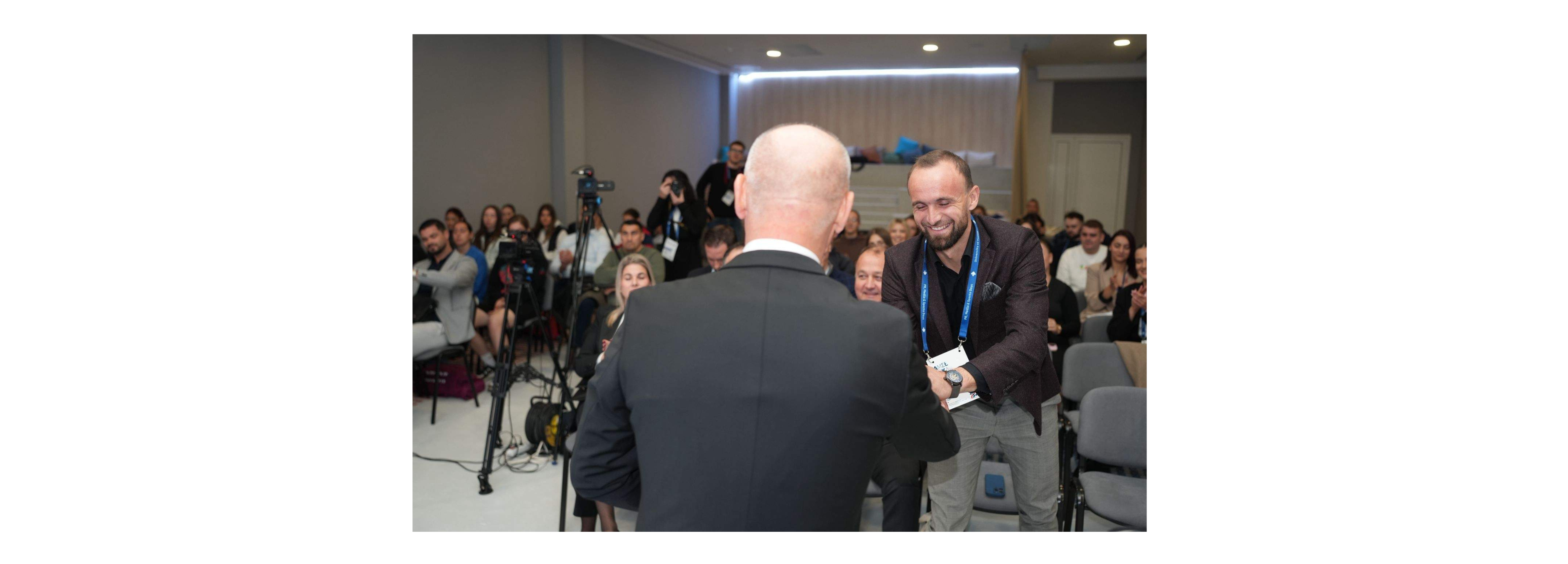
The Organizing Committee of the PR, Media & Sport Days conference awarded plaques for outstanding contribution to the development and promotion of sports and media to participants who connected the academic, sports, diplomatic and communication communities. This year's winners are Prof. Dr. Izet Rađo, Davor Radić, Igor Štimac, Pejo Gašparević, Said Fazlagić, Amel Tuka, Ivan Tomić and Branislav Stojkić. The plaques were presented as an expression of gratitude for their professional and media contribution to the affirmation of sports as a social and communication value.
Closing remarks and adoption of the Declaration
In the final address of the president of the Organizing Committee, prof. Ph.D. sc. Marijan Primorca, it was pointed out that the first ten years of the conference represent the building of a professional community that connects researchers, experts, media actors and students from different cultural contexts. "If the first ten years proved that communication is the foundation of every social process, then the next ten are an opportunity to turn that knowledge into an even stronger professional, research and international step forward," said Primorac.
Based on the conclusions of all three sections, the Organizing Committee adopted the Declaration on Intercultural Dialogue and Communication Trust, which confirms the importance of ethical communication, media responsibility and intercultural understanding.
The next edition of the conference has been announced for November 2026, thus positioning Mostar as a meeting place for the communication profession, academic cooperation and international dialogue.