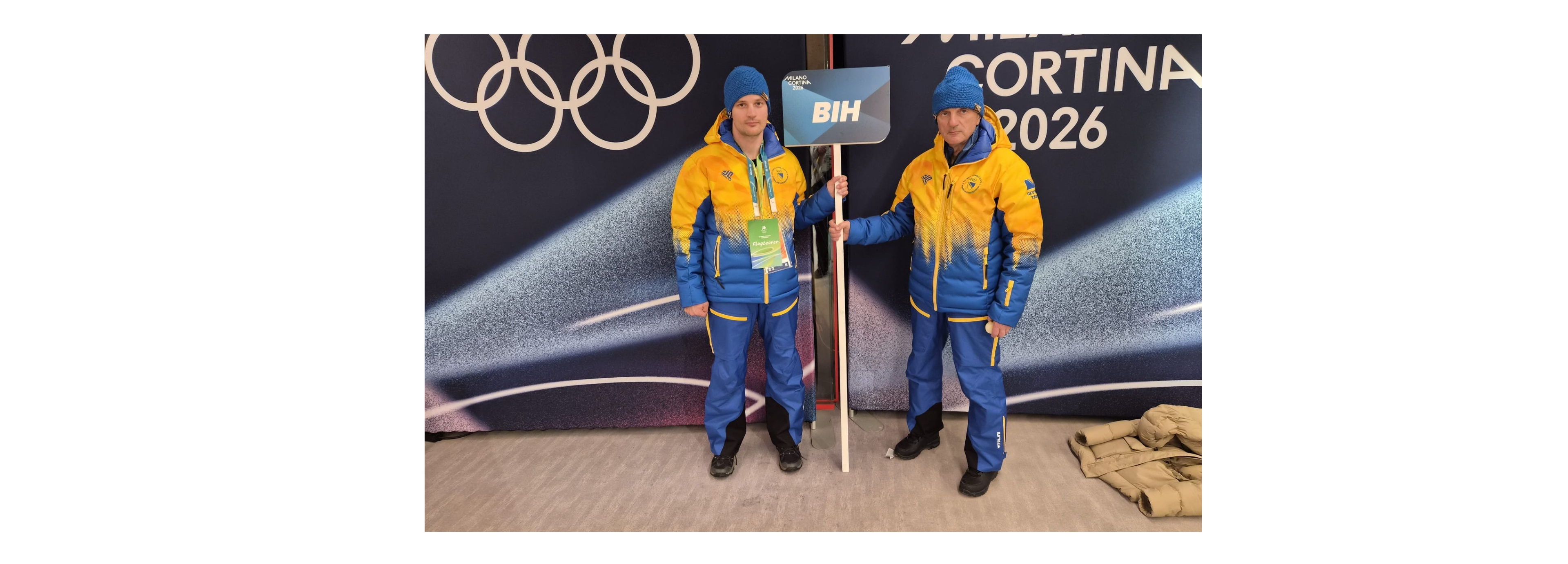
Successes despite the state
After the Milano Cortina 2026 Winter Olympics one clear and powerful truth remains: Bosnia and Herzegovina’s athletes have once again proven that talent, work and character exist in this country. What still lacks is a system that recognizes, supports and strategically develops them.
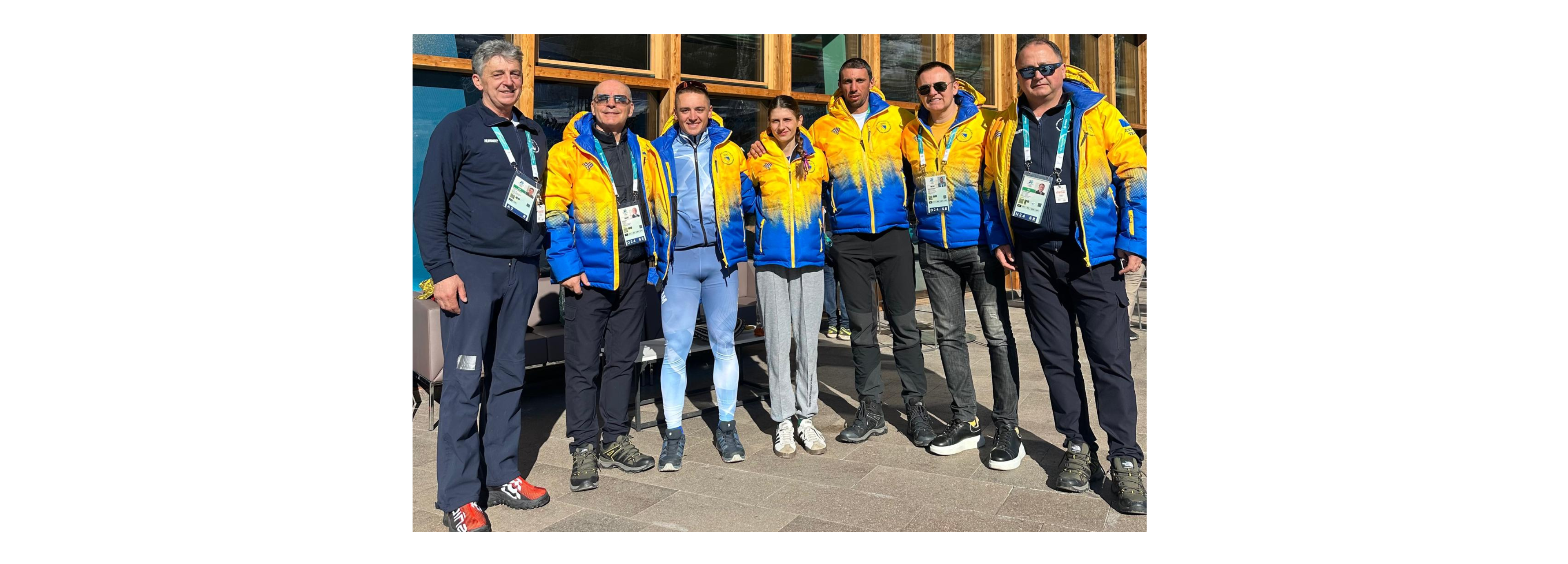
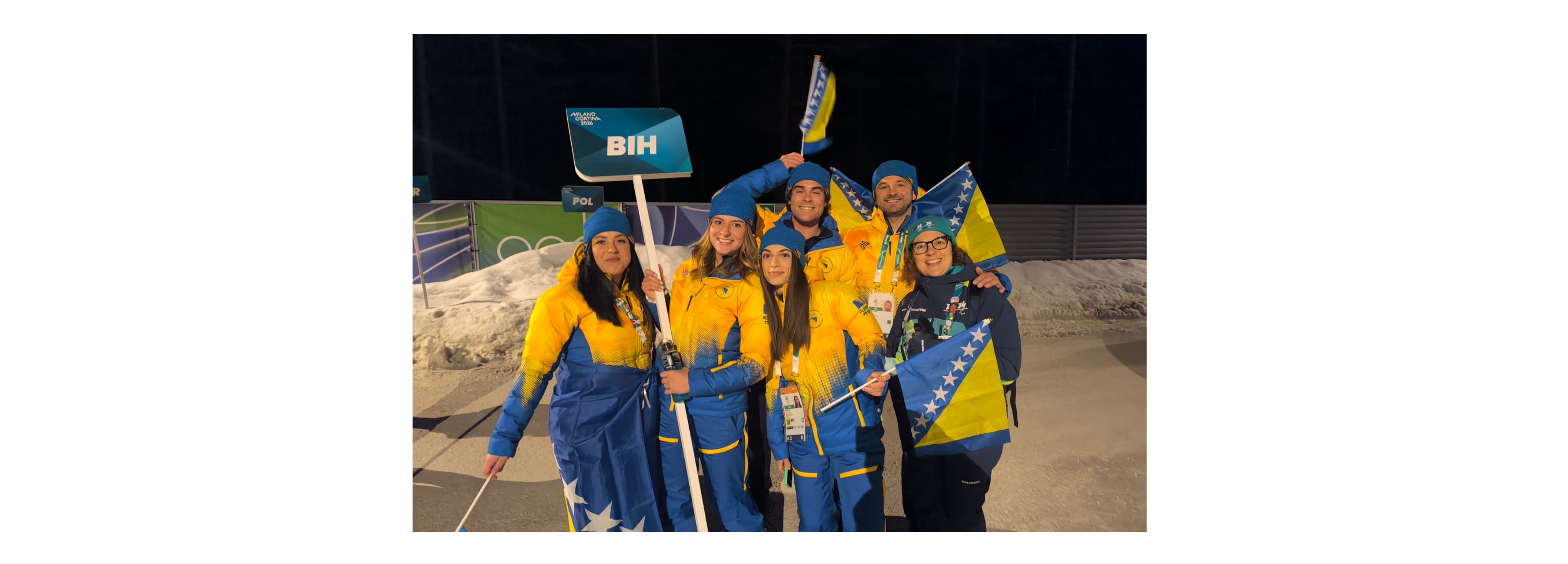
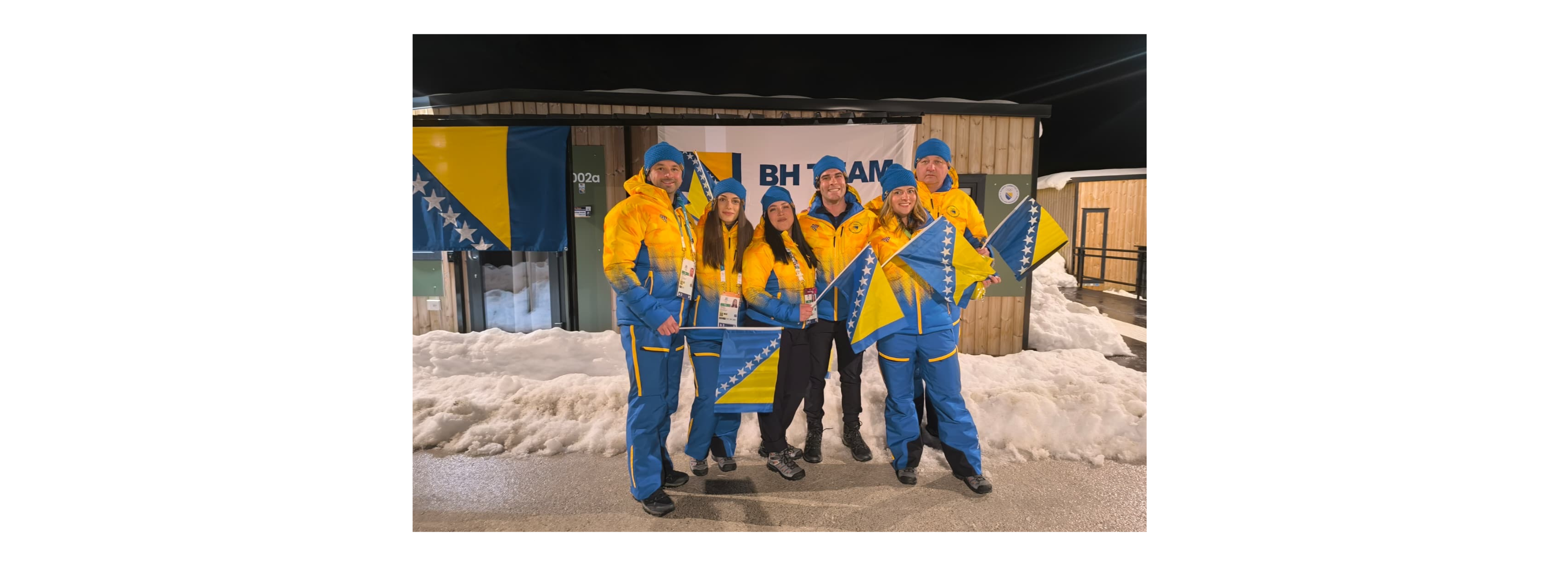
The results achieved by our Olympians are not the product of stable sports policy, a long-term state strategy or an organized funding model. They are the result of personal sacrifice, family support, coaches’ dedication and the enthusiasm of a small number of people who believe sport is a public good, not a protocol item. In such an environment, the successes of Lana, Elvedina, Tea, Anur, Marko, Strahinja and many others are more than sporting results – they are acts of dignity. They prove that top achievements can emerge even under institutional scarcity. At the same time, those results are a serious warning.
Bosnia and Herzegovina lacks a stable and predictable sports financing model, a clear national strategy for sports development, systemic care for athletes after their careers, and a unified legislative framework that recognizes sport as a strategic interest. Our Olympians do not succeed thanks to the system, but despite it.
In the context of Bosnia and Herzegovina, where the system often lags behind talent, the results of our Olympians at Milano–Cortina must serve as a compass for future reforms. If we fail to act, we miss a historic opportunity. Politicians will thereby send the best young people a message to go and look elsewhere to realize their dreams.
Those responsible for sport, from the competent ministries to political structures, have for years treated sport as a budget cost rather than an investment in social capital. Sport is often reduced to declarative support and photos with winners, without substantive reforms and systemic solutions. Such an approach sends a dangerous message not only to athletes but to all talented young people in the country: that the system is not ready to stand behind excellence, and that success depends solely on personal struggle, not institutional support.
In a world where other states invest systemically in sport—providing infrastructure, scientific and medical support, scholarships and professional teams—Bosnia and Herzegovina risks losing what is most valuable: its best people. Failing to invest in the best is not only a political mistake. It is an ethical problem.
Athletes like Lana, Elvedina, Tea, Anur, Marko, Strahinja and others are not asking for privileges. They ask for fair conditions: infrastructure, expert support, healthcare, planned careers and secure transitions after sport. They want a system that tracks their effort and respects their sacrifice. When the state does not provide that, yet uses their successes for collective pride, a serious moral dissonance arises. We cannot celebrate medals while ignoring processes. We cannot applaud results while neglecting responsibility.
Sport must become part of Bosnia and Herzegovina’s development strategy. We need a long-term national sports strategy, a stable financing model, professionalized management, dual-career systems and clear mechanisms of accountability and good governance. Olympians must not be heroes of improvisation. They should be the result of a system that recognizes the value of excellence.
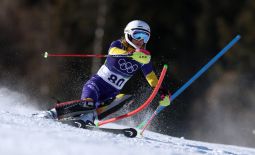
If the successes achieved in Milan and Cortina do not trigger serious reforms, then we have not understood the message our athletes sent us from the slopes, snow and competition arenas. Despite often inhumane treatment of the best, they remain, train, fight and achieve top results. Their successes are not only sporting—they are a moral lesson for society.
Bosnia and Herzegovina has potential. But potential without a system is a risk. Potential with a system is the future.
Milano Cortina 2026 gave us an opportunity. It is up to the political system to decide whether to seize it or continue lagging behind its own talent.